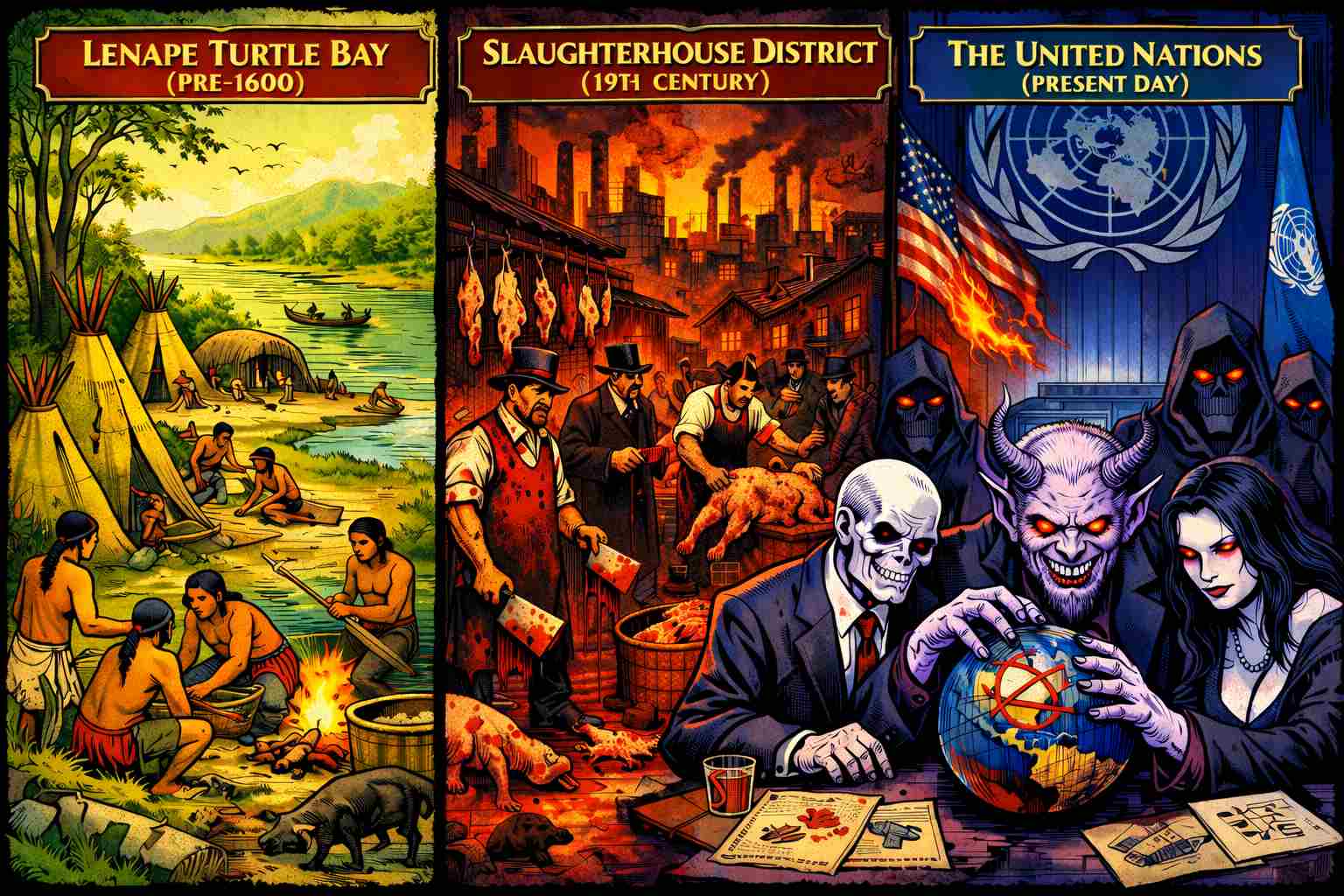
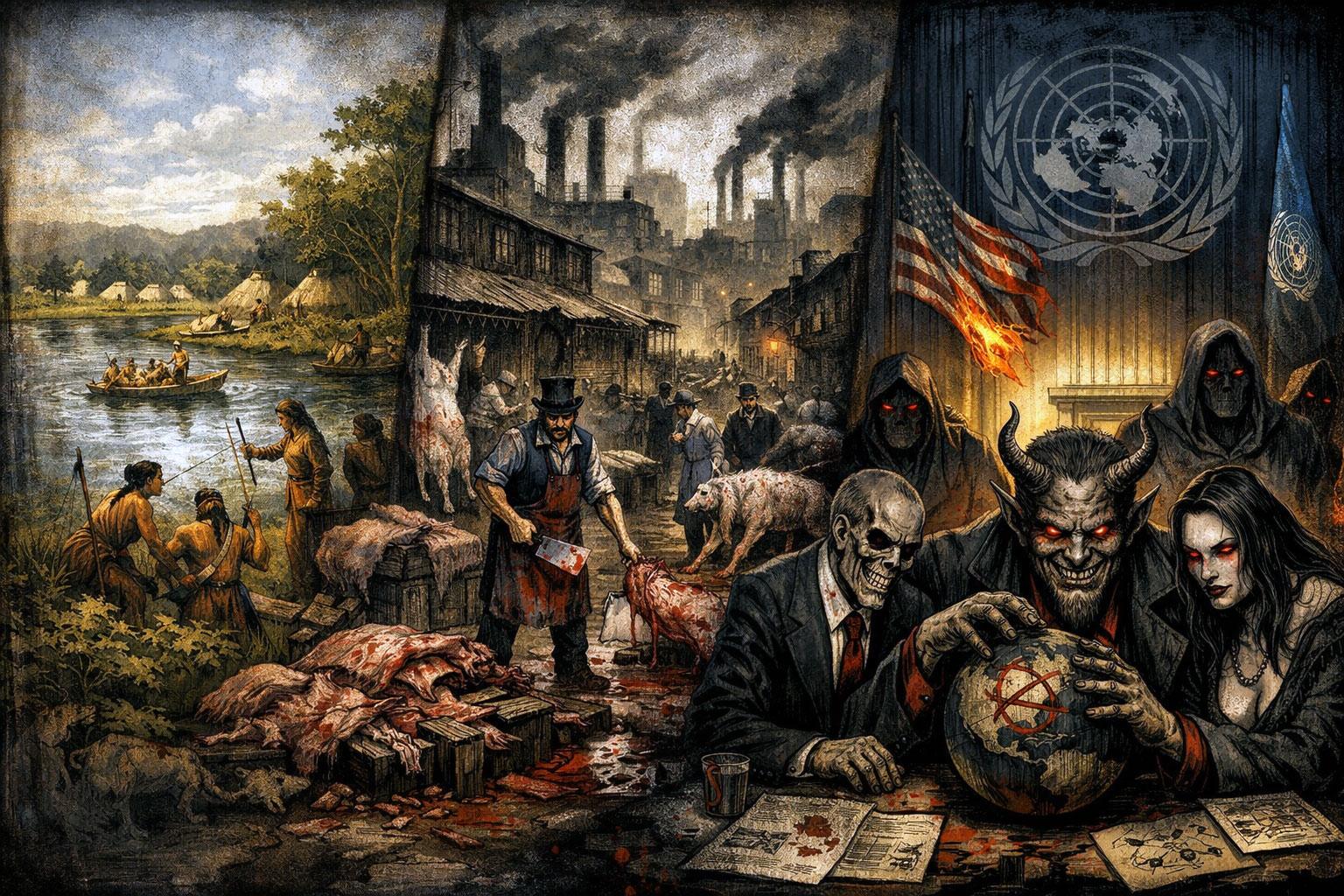
Revealed by American Indian oral histories recorded in NATIVE NEW YORKERS book: Manhattan’s ‘ancient’ Turtle Bay was sandy beach, where turtles would lay eggs and also where American Indian women would birth children. After Whitey came along, the land eventually become blood-soaked by slaughterhouses. This land then became — somehow — its own “sovereignty” within yet not legall part of the United States commonly known as United Nations.
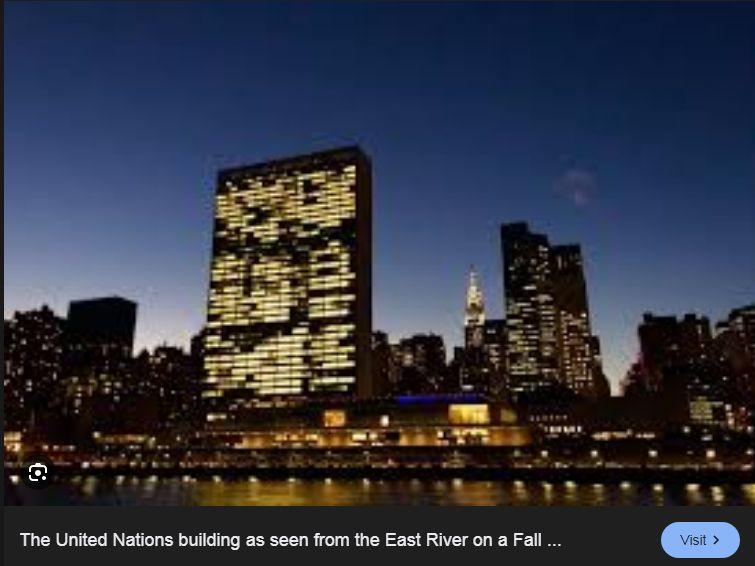
Turtle Bay, a neighborhood on Manhattan’s East Side, derives its name from a 17th-century Dutch cove, but the broader “Turtle Island” concept is central to Indigenous, specifically Lenape, creation folklore. The area, now home to the United Nations (UN), was established in 1626, with the UN complex sitting on 18 acres of international territory acquired in the 1940s, often viewed through the lens of colonial-era land displacement and subsequent, modern institutional land use.
American Indian Folklore and “Turtle Bay”
- Lenape Origin: The Lenape (Delaware) people, the original inhabitants of Manhattan, refer to the island as Manahatta (“hilly island”).
- Turtle Island Belief: While not directly referring to the East Side cove, many Indigenous cultures, including the Lenape, hold the spiritual belief of “Turtle Island,” a reference to the continent supported by a giant turtle. This represents creation, protection, and endurance.
- Colonial Misnomer: The name “Turtle Bay” (originally Deutel Bay or Dutchess Bay) refers to a small inlet on the East River near 45th Street, named by Dutch settlers, not directly by Indigenous inhabitants, though it was located within their traditional territory. Wikipedia +4
The United Nations and Land Acquisition
- The Site: The UN Headquarters sits on land that was once a 17th-century estate called Turtle Bay Farm.
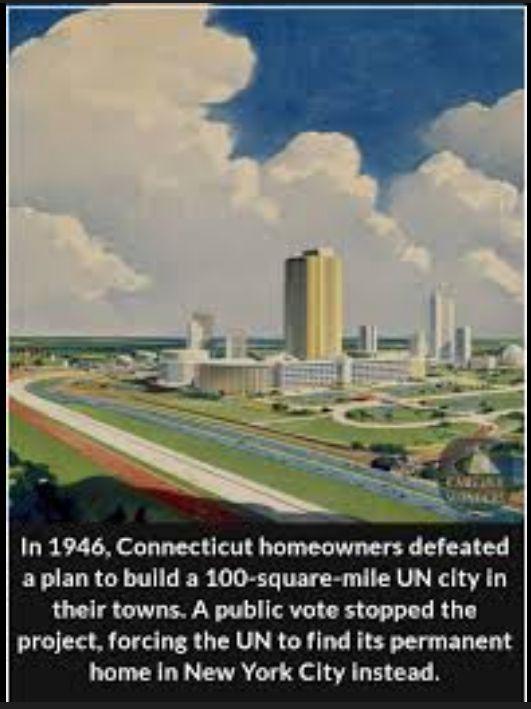
- Land Acquisition (1940s): The area for the United Nations was finalized after a generous donation from John D. Rockefeller, Jr., who purchased the former slaughterhouses and tenement buildings on the site for $8.5 million in 1946.
- International Territory: The UN site in Turtle Bay is not technically part of New York City; it is considered international territory, which was a deliberate, negotiated action. piccolanewyorker.com +4
Contextual Connections
- Colonial Land Grab: The original, much larger, “land grab” was the 1626 purchase of Manhattan by Peter Minuit from the Native Americans for goods worth roughly 60 guilders.
- Modern Displacement: The 1940s construction of the UN required significant rezoning and displacement of local residents and businesses, sometimes referred to as a “land grab” in the context of urban development led by Robert Moses.
- The Site Today: The area between 42nd and 48th Streets along the East River, once a bustling, somewhat industrial cove, is now a diplomatic, international zone. Wikipedia +4
https://en.wikipedia.org/wiki/Turtle_Island
https://www.tiktok.com/@recycldstardust/video/7369285744172469550